




Do you know that the blogging platform you use can determine how successful you become in the future? The blogging industry is expected to reach $2 trillion by 2032, with visual content having a 94% increase in views.
Knowing the essential features of blogging platforms can make it easy for you to pick the right website builder, create content, and achieve your blogging goals. Whether you want to monetize your blog or share your content on a social media platform, this blogging platform comparison guide will showcase everything you need for your blogging journey.
7 Steps to Picking the Right Niche for Your Blog
By Festus Nkopuruk on August 28, 2025
Don’t let a slow platform hold you back
Your blogging platform is only as good as the hosting behind it. Power your blog with Hostonce’s reliable WordPress hosting and 99.9% uptime hosting today
Key Takeaways
- Fast loading speed is crucial for user experience.
- Reliable uptime (99.9%) keeps your blog accessible.
- Easy customization makes setup simple for beginners.
- Strong security features protect your site and data.
- Scalability ensures your blog can grow smoothly.
- 24/7 support helps fix issues anytime.
- Flexibility allows integration with tools and plugins.
- SEO tools and analytics boost traffic and visibility.
- Mobile responsiveness improves user access on phones.
- Choose a platform that matches your skills and goals.
Why Choosing the Right Blogging Platform Matters
Before starting a blog, selecting the right platform is the first step towards establishing an online presence. The best blogging platforms provide:
- Customization features that are simple to use
- Search engine optimization features to boost your search engine results
- Integrated blogging tools like Google Analytics for monitoring the performance of your blog.
- Scalability to allow you to add new features and functionality as you grow
- Advanced blogging features to cater to various blogging websites
Essential Features to Look for in Blogging Platforms
The type of platform you build determines your online success. When it comes to building a blogging platform for your niche, here are essential features to consider:
1. Fast Speed
The speed at which your blog content loads can significantly impact the number of online visitors you attract. One of the basic features of many blogging platforms is website speed. According to Neil Patel, a page that delays by 1 second can reduce customer experience by 16% and lead to 7% drop in conversion rates.
Platforms designed for blogging usually have optimized servers and high-performance structures to boost loading speed. You can use and reduce bounce rates when your site loads in milliseconds.
2. 99.9% Uptime
For e-commerce platforms, staying online 99.9% of the time can lead to more sales and trustworthiness. A blogging platform that is always offline stands the chance of losing readers and traffic.
When you start blogging, ensure that you choose the best blogging platform that can offer 99.9% uptime and additional features like advanced monitoring for better performance.
3. Easy to Customize
The look and feel of your blog should be easy to set up, irrespective of your knowledge. From buying a domain name to installing a content management system, a good platform allows you to create and manage your blog effectively.
Many hosting providers allow users to install free blogging platforms like WordPress in 1-click. Also consider features like the simplicity of dashboards and customizable features.
4. Multi-Layered Security
Did you know that more than 30,000 sites are targeted daily? Security is one of the must-have features in a blogging platform. When a blog is hacked, it can lead to loss of sensitive information and reputation damage.
Blogging needs strong security features like SSL certificates for data encryption, firewalls, and DDoS protection to fight against malicious traffic. Protecting your site from any attack is very important for online growth.
5. Robust Features & Scalability
As you begin to achieve online success and gain more traffic, your website should be able to accommodate your growth. Look for a platform that has strong bandwidth, an integrated content delivery network, and complex SEO tools.
Furthermore, a custom domain support and email hosting option is another aspect of blogging to consider. Scalability is one of the key features to look for in blog hosting and can enhance your blog performance without shutting down.
6. 24/7 Customer Support
A dedicated blogging support that is always online to solve queries and offer assistance to new users is fundamental. If you plan on monetizing your blog or running a business with it, being able to solve any issue that comes up can drive more sales.
In addition to that, top blogging platforms offer customer assistance through channels like email, live chat, and phone. Customer support that is always available can make your blog successful.
7. Flexibility with Multiple Platforms
As your blog grows, compatibility with plugins and essential platforms is a necessity. Whether you write your blog posts on WordPress or Joomla, being able to integrate the features you need can offer flexibility and control.
Hosting providers like Hostonce allow you to improve your blogging skills by integrating your blog with different plugins and tools for maximum performance.
How Your Hosting Provider Can Help You Choose a Blogging Platform
Your hosting provider is the focal point of your blogging journey. Many platforms are known to perform poorly when used with an unreliable web hosting provider. A reliable provider must be able to offer basic blogging features like security and speed without affecting performance.
Here’s a table that shows the basic features of a blogging site offered by Hostonce:
| Feature | Why It Matters | Hostonce Benefit |
| Speed | Better SEO, lower bounce rate | SSD-powered servers |
| Uptime | Ensures that you’re always online | 99.9% uptime |
| Ease of Use | Easy to setup and use | 1-click installs |
| Security | Protects your sensitive data & readers | SSL, DDoS, firewall, backups |
| Scalability | Supports more traffic and blog growth | Flexible hosting plans |
| Support | Sudden assistance when needed | 24/7 customer support |
| Flexibility | More flexibility and creative control | Multiple CMS support |
5 Best Blogging Platforms for Bloggers
1. WordPress

Many platforms give the best experience for bloggers, but WordPress currently has the best blogging platform features. This content management tool offers simplicity and customizable features for beginners and professionals.
Key Features:
- Intuitive layouts that are responsive on mobile
- In-built themes for website appearance
- Built-in SEO features and plugins to boost online visibility
- Advanced features like Google Analytics integration for tracking
| Pros | Cons |
| ✅ Great for beginners | ❌ Security risks |
| ✅ Large community | ❌ Performance issues |
| ✅ User-friendly | ❌ Limited scalability |
2. Wix

Wix is a great platform for bloggers just starting in the business. It offers thousands of templates that can be customized to fit portfolio websites, blogs, or businesses. For users who want a drag-and-drop feature when building, Wix is the right choice.
Key Features:
- A visual editor for previewing your design in real-time
- SEO features for search engine ranking
- Thousands of templates and image editing options.
- Free storage capability for media
- Integration with social platforms and email tools.
| Pros | Cons |
|---|---|
| ✅ Easy drag-and-drop website builder | ❌ Limited design flexibility compared to coding |
| ✅ Hundreds of templates available | ❌ Free plan shows Wix ads |
| ✅ Built-in SEO and marketing tools | ❌ Not ideal for very large websites |
| ✅ App market for extra features | ❌ Hard to switch templates once chosen |
3. Squarespace

Squarespace allows users to create professional sites without having any technical experience. It is a website builder that is great for bloggers who want to concentrate on content creation.
Key Features:
- SEO options for website visibility
- Drag-and-drop customizable templates for easy building
- Features like inventory management for eCommerce platforms
- Responsive layouts for mobile
| Pros | Cons |
|---|---|
| ✅ Modern, professional templates | ❌ Fewer templates than competitors |
| ✅ All-in-one platform (hosting, design, security) | ❌ No free plan, only trial |
| ✅ Built-in SEO and eCommerce tools | ❌ Can feel less flexible than WordPress |
| ✅ Mobile-friendly and responsive designs | ❌ Slightly higher pricing |
4. Joomla
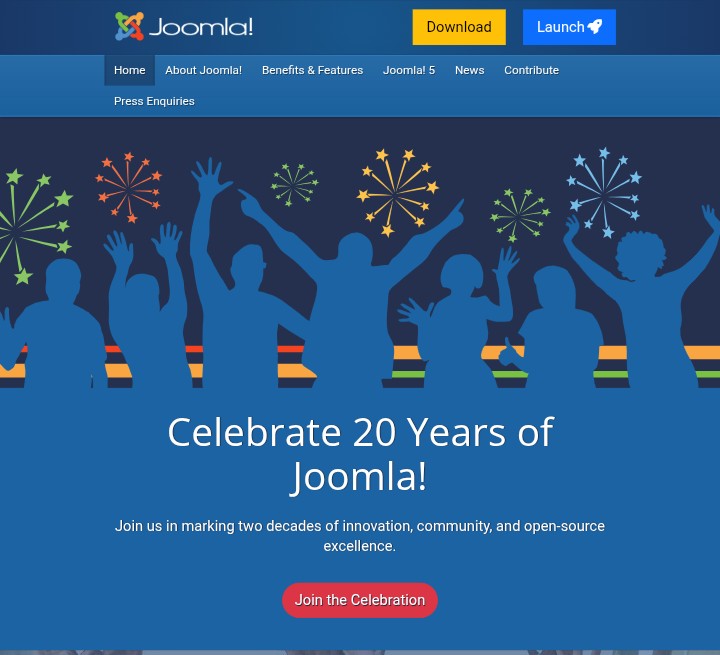
Joomla is an open-source platform that allows users to create and manage online applications, blogs, and websites. It is a wonderful tool for web developers, professionals, and designers looking for complex features.
Key Features:
- A content management system that is flexible for content creation
- Multilingual support to cater to a worldwide audience
- A thriving community for support and extensions
- Advanced options to provide developers with more control
- Wide collection of themes and templates
| Pros | Cons |
|---|---|
| ✅ Flexible and powerful CMS | ❌ Steeper learning curve than WordPress |
| ✅ Strong built-in multilingual support | ❌ Smaller template & extension library |
| ✅ Good for complex and custom websites | ❌ Requires more technical knowledge |
| ✅ Strong community support | ❌ Hosting and maintenance can be harder |
5. Drupal
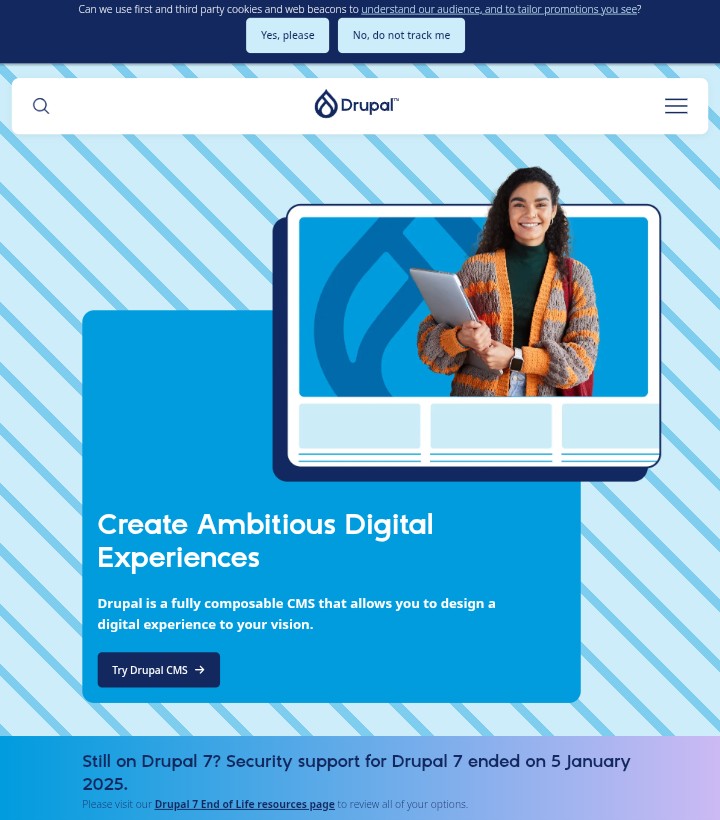
Drupal is a content management system that allows experts to create and manage complex applications. Written in PHP, Drupal is open-source and free, making it a great choice for complex web projects.
Key Features:
- Flexible content management system for personalized solutions
- Strong security networks for maximum protection
- Thrive community for support and development
- Robust structure for advanced users
| Pros | Cons |
|---|---|
| ✅ Extremely flexible and customizable | ❌ Steep learning curve for beginners |
| ✅ Strong security features | ❌ Smaller theme selection |
| ✅ Scales well for large, complex sites | ❌ Requires technical expertise |
| ✅ Robust community and developer support | ❌ Development and maintenance can be costly |
Final Thoughts
Being a successful blogger in your niche involves taking the necessary steps that grow your online presence. As discussed in this article, choose a platform that aligns with your goals and voice online.
Our optimized CRM hosting solutions are perfect for web agencies looking for scalable growth. Keep in mind that a good hosting provider can also contribute to your success. To learn more about how to successfully control your online presence, you can get daily notifications when you follow us on social platforms like Twitter (X).
FAQs
Why is speed important in a blogging platform?
Speed is very important for a blogging platform because it affects your ranking on search engines and online traffic. A blog that loads slowly will likely have higher bounce rates and a lower ranking.
How much uptime should a good blogging platform guarantee?
A good blogging platform must be available online with 99.9% uptime for readers to access. Using good hosting providers like Hostonce can guarantee the uptime of your blog.
Do all blogging platforms offer in-built security?
Not every blogging platform offers built-in security by default. It is essential to look for the security features of the hosting plan you are purchasing before committing to it.
Can I switch my blogging platform later?
Yes, it is possible to switch your blogging platform in the future. It is recommended to go for a platform that supports flexibility and scalability without affecting the performance of your blog.
Expert Tip
When adding images, prioritize clarity and relevance over complexity. Make sure they enhance understanding and directly support the content. Also, avoid overly designed or decorative visuals that don’t add value.


Hostonce is the #1 WordPress Host
Ranked by 930+ customers in G2's Best Software Awards.


