




Consent marketing is a form of personalized marketing that is changing how customers and businesses interact with each other. With an annual market size of $802.85 million in 2025, the industry is expected to be valued at $3.5 billion by 2033. Growing demand for data protection laws, explicit user consent, and privacy regulations like GDPR has led to regional growth of 36.7% in North America, 45.5% in Europe, and 17.3% in the Asia Pacific.
Learn how consent-based marketing goes beyond traditional marketing methods like email and video marketing. Consent-based marketing is a strategy for obtaining explicit consent based on user preferences. The future of marketing automation is constantly growing, and you can take advantage of this industry trend for your business.

Top 10 New Year Marketing Campaigns to Drive Growth in 2026
By Festus Nkopuruk on May 12, 2026Key Takeaways
- Consent marketing allows you to control your users by collecting their data after getting valid consent. This form of marketing provides transparency and flexibility for customers.
- Businesses can promote credibility and trust by offering transparent marketing efforts to increase brand loyalty and customer relationships.
- Consent-driven marketing outcomes lead to better engagement, effective targeting, and higher conversion rates because of the high-quality data provided by people who consent.
- One huge advantage over other marketing channels is compliance. Consent transaction aligns with ePrivacy, GDPR, and other regulatory bodies to reduce legal risks.
- The future of consent-based marketing is sustainable and can bring long-term growth for businesses that prioritize customer relationships.
Table of Contents
- What is Consent-Based Marketing?
- The Evolution of Marketing Consent from Traditional Marketing to Permission Marketing
- Components of Consent-Based Marketing
- How Consent-Based Marketing Works
- Why Transparency and Data Privacy Matter in Digital Marketing
- Tools and Technology of Consent Marketing
- Consent vs Permission-Based Marketing: What’s the Difference?
- The Business Benefits of Consent-Based Marketing
- Challenges of Consent Marketing and How to Overcome Them
- Best Practices for Using a Consent Management Platform (CMP)
- Final Thoughts
- FAQs
What is Consent-Based Marketing?
Consent-based marketing is the practice of gathering and storing customer data for your business after getting permission. The consent process gives ecommerce professionals complete control over how businesses can use their personal information. The consent in marketing is based on respect for data privacy, transparency, and choice for people who want to accept or revoke their consent.
The Evolution of Marketing Consent from Traditional Marketing to Permission Marketing
Marketing has drastically grown over the years, especially in the way businesses respect data privacy and consent rates. During the time of traditional marketing, companies used outreach methods like radio, TV, cold calls, and emails to target customers without asking for permission. This marketing approach lacked control and transparency, thereby resulting in low engagement and consumer distrust.
The emergence of “permission marketing” by Seth Godin created a paradigm shift in how customer data is used and the benefits they receive in return. Consent-based marketing focuses on giving users the choice to opt in before receiving newsletters, emails, and messages. Today, businesses can use different content management platforms to prioritize explicit consent, increase engagement, and get positive marketing results.

Great marketing starts with reliable hosting
Don’t let slow hosting undermine your consent marketing strategy. Hostonce shared hosting delivers consistent uptime, free SSL, fast load speeds, and reliable performance at every stage.
Components of Consent-Based Marketing
Consent-based marketing is emerging and growing at a rapid rate for businesses to tailor their marketing efforts. To better understand the effectiveness of this process, here are the major components of documented consent marketing:
- Clear and Explicit Consent: Consent must be clear, unambiguous, and informative. Customers must be given the choice of accepting or rejecting before they are targeted for marketing.
- Transparency in Data Collection: Another piece of evidence regarding consent marketing is transparency. Small businesses that plan on getting customer data must be clear on the purpose of collecting data and how they plan on using it.
- User Control and Choice: Consent-based marketing also gives users control over their information. They can accept the invitation, reject it, or change preferences in the future.
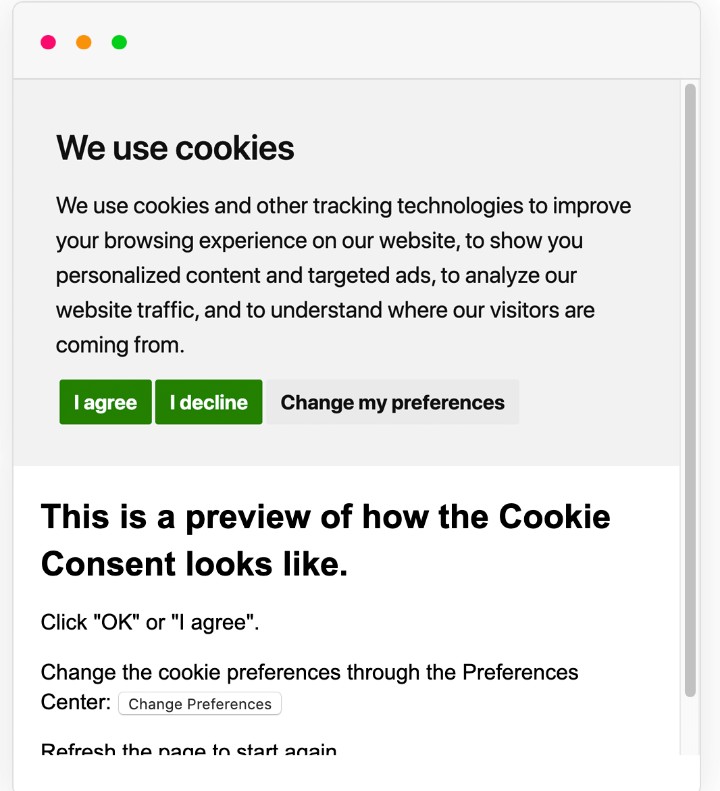
- Data Privacy and Security: Many cost-per-lead marketing partners won’t charge marketers for collecting and storing data. Strong security practices can prevent data theft, misuse, and illegal access.
- Compliance with Privacy Regulations: Unlike traditional marketing, some laws govern contacting consumers with marketing. Compliance with GDPR and privacy laws can prevent legal action.
- Consent Management Systems: A structured marketing content approach for analyzing user behavior is important. Consent Management Platforms (CMPs), like Consent Manager, can be used for managing consent choices.
- Ethical Marketing Practices: Outside legal regulation, consent marketing shows a strong focus on trust, respect, and credibility. Businesses can build long-lasting relationships with their customers instead of short-term growth.
How Consent-Based Marketing Works
Consent-based marketing works by giving consumers complete control over their data, while businesses adhere to regulations and market responsibly. Here is an elaborate explanation of how the whole process works:
- Inform the User Clearly: Before a business starts collecting the information of users, it must state why the WordPress data is collected and how it will be used. This information can be seen on consent pop-ups, cookie banners, and privacy notices.
- Request Explicit Consent: A written consent must be voluntary and active. For example, users must be able to opt in or not, and choose the type of data they want to share with a business without being forced.
- Record and Store Consent: After a consumer makes a choice, it is recorded and safely stored through a consent management platform. This will help businesses provide the written consent to be contacted, the choices made by users, and any changes made.
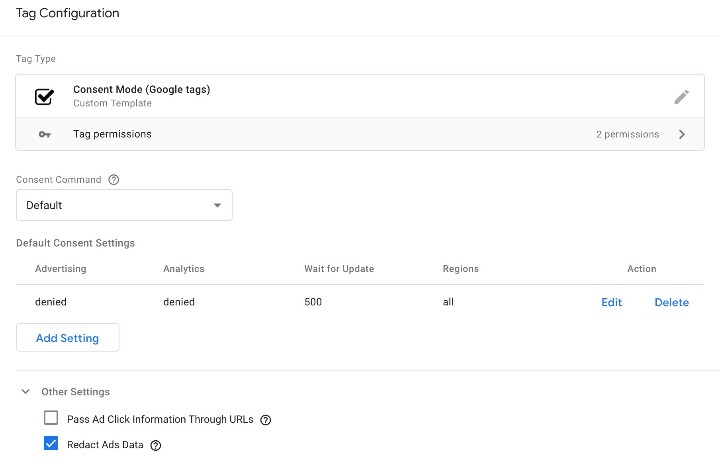
- Activate Marketing Tools Based on Consent: Tools for analytics and marketing perform better when permission is given. For instance, Google Consent Mode can be used to monitor tracking behavior based on the choices made by users.
- Use Data Responsibly: Data collected must be used for the specific purpose it was intended for. It must be strongly protected and not shared without asking for consent.
- Allow Users to Update or Withdraw Consent: Consumers must have the chance to withdraw consent or make changes at any time.
- Maintain Ongoing Compliance: To prevent legal action or penalty, businesses must constantly review their consent records, update requests, and re-collect data during policy change to build long-term trust and compliance.
Why Transparency and Data Privacy Matter in Digital Marketing
Transparency and data privacy are compulsory when it comes to digital marketing because they let customers know that their data is safe and used for the right purpose. The following reasons further show the importance of transparency and data protection for businesses:
1. Transparency Builds Trust and Credibility
When businesses are open about how they manage user data, they can build trust and credibility with their customers. As a business, you can help customers make better choices by being transparent during your data collection stage. This important feature can boost engagement and brand loyalty over time.
2. Data Privacy Protects Customer Rights
Businesses can protect customer rights and prevent illegal access by giving users complete control over their information and maintaining ethical practices during marketing.
Launching your eCommerce store?
Scale your online store without sacrificing performance or complaince. Hostonce ecommerce hosting grows with your business, handling traffic spikes without breaking a sweat.
3. Transparency Improves Consent Quality
When users know the terms and conditions before giving consent, marketing becomes informative and meaningful. Transparency increases consent quality by providing accurate data for effective marketing
4. Compliance Reduces Legal and Financial Risk
Privacy compliance bodies like GDPR demand lawful handling of data and transparent disclosure. Businesses can avoid fines, stay compliant across different locations, and lower brand damage when they maintain data privacy and transparency.
5. Better Customer Experience in Digital Marketing
Businesses that have clear data strategies can promote customer experience and reduce frustration during marketing. For example, consumers who have control over their information are more likely to engage and interact with a brand, thereby boosting customer satisfaction.
Tools and Technology of Consent Marketing
An effective example of consent marketing can be seen in the tools and technologies used to ensure compliance and manage consent. In this section, we will be looking at the various tools to help build trust and automate marketing campaigns.
1. Consent Management Platforms (CMPs)
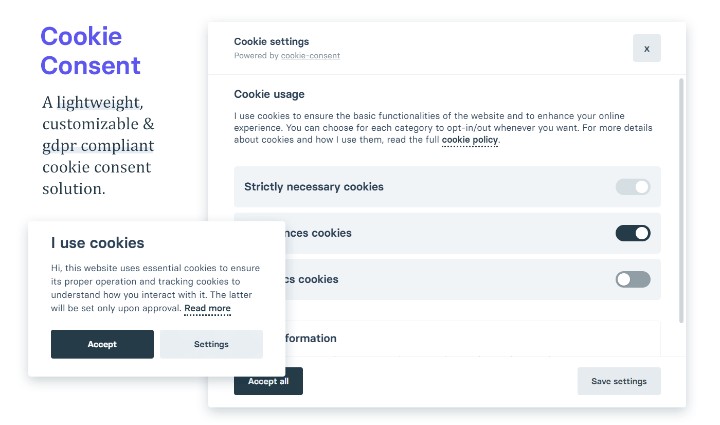
CMP gathers consumer data, stores, and maintains user consent across digital channels, apps, and websites. CMPs like Usercentrics and OneTrust come with cookie consent banners, analytics features, integration with email marketing tools, and compliance tracking. They are perfect for documenting marketing consent, increasing engagement, and reducing non-compliance penalties.
2. Google Consent Mode & Google Consent Mode v2
Developed by Google, they allow businesses to adjust tag behavior on their websites depending on the content status of users. Google Consent Mode automatically changes ad data and analytics based on the behavior of users, while v2 provides better reporting, flexibility, and integration with different platforms. Both tools are perfect for getting accurate data and maintaining compliance with regulations.
3. Email Marketing Platforms with Built-In Consent Features
Email marketing software like ActiveCampaign and Mailchimp comes with integrated consent features for marketers. These platforms allow businesses to monitor user consent, categorize consumers based on their choices, and maintain transparent audit trails.
Consent vs Permission-Based Marketing: What’s the Difference?
| Feature | Consent-Based Marketing | Permission-Based Marketing |
| User Behavior | Explicit opt-in for every marketing approach | General permission for a business |
| Transparency | Very high because users know how their data will be used | Medium because users may not be educated on every use case |
| Legal Compliance | Compulsory | Voluntary |
| Control | Users have complete control and can revoke consent. | Limited control |
| Focus | Compliance and data protection | Marketing and user engagement |
Consent and permission-based marketing work together with digital marketing. However, they are not the same, each having its own purpose and strategy. You can leverage effective consent strategies, build trust, and grow your online traffic when you understand the difference.
- Consent-Based Marketing: This type of marketing demands explicit user consent before collecting information or sending messages during marketing. Consent marketing strongly emphasizes transparency and compliance with privacy laws by offering domain users complete control over the type of information they want to share.
- Permission-Based Marketing: Permission marketing is a strategy for getting general permission before communicating with customers. This approach works best with subscriptions or email sign-ups.
Your WordPress site needs more than great content
Build customer trust from the ground up. Hostonce WordPress hosting comes ready for GDPR compliance, bulletproof security, and fast load times for businesses.
The Business Benefits of Consent-Based Marketing
Consent-based marketing is highly effective for providing measurable value for businesses. By respecting user consent, you can reduce risk, boost performance, and enjoy the following benefits:
- Builds Trust and Brand Credibility: Businesses that respect and handle customer data accurately are more likely to be trusted. Additionally, a credible brand can get positive marketing results, higher engagement rates, and online success
- Higher-Quality Marketing Data: Consented users are more likely to give accurate information that can help businesses get accurate data, understand customer behavior, and create effective marketing strategies.
- Improved Conversion and Engagement Rates: People who give their consent can be open to different marketing messages. Also, this can lead to high click-through rates, personalization, and conversion for businesses.
- Stronger Compliance and Reduced Legal Risk: Consent-based marketing promotes stronger compliance with data privacy regulations. Furthermore, Hostonce lowers the risk of penalties, reputational damage, and legal uncertainty.
- Better Customer Experience: Transparent data and clear consent options can lead to a better customer experience for users. Furthermore, customers can have full control over their choices, communicate clearly, and not worry about intrusive marketing campaigns.
- More Effective Digital Marketing and Analytics: With Google Consent Mode and CMPs, businesses can gain meaningful insights, adopt tracking strategies, and optimize marketing campaigns effectively.
Quick Tip
Audit your consent banners every six months. Privacy laws evolve constantly, and an outdated consent form can quietly put your business out of compliance without you knowing it.
Challenges of Consent Marketing and How to Overcome Them
As we have stated above, consent-based marketing comes with different benefits for businesses when correctly implemented. Nevertheless, understanding the various challenges and limitations can help you address them effectively when the time comes.
- Lower Audience Reach: Unlike traditional marketing, only consented users can receive email messages or promotions, thereby reducing the audience size. To address this issue, you can use clear opt-in forms, discounts, and permission-based marketing to increase your audience reach.
- Complexity of Compliance: Privacy laws like CCPA and GDPR demand strict adherence and penalties if broken. You can use CMPs for automating user consent, auditing your marketing campaigns regularly, and staying current during digital campaigns.
- User Confusion or Resistance: Some customers of online stores may be reluctant when it comes to offering consent for their information. Businesses must be clear to avoid confusion, offer granular options, and use simple language for enlightenment.
- Managing Multiple Channels: Gathering consent from multiple channels can be exhausting for website owners. Moreover, with the help of a CMP, you can centralize your consent management, perform constant updates, and adjust data in real-time
Best Practices for Using a Consent Management Platform (CMP)
A Consent Management Platform (CMP) ensures that businesses comply with privacy laws when running marketing campaigns. To ensure maximum results when using a CMP tool, we have listed out the best practices to follow as a business.
- Go for a CMP platform that supports privacy laws and regulations like GDPR. Also, the tool you choose must offer granular consent, protect consent records, and provide audit logs.
- For shared hosting users, maintain transparency by using simple language to explain the purpose of collecting data from customers.
Expert Tip
Never use pre-ticked consent checkboxes because GDPR explicitly classifies them as invalid. Consent must be an active, deliberate choice. A single unchecked boxes can expose your business to significant fines and reputational damage.

- Enabling granular options allows people to choose the categories they want to give permission to. Businesses with these consent options can increase credibility and trust.
- Provide users with the option to withdraw consent easily at any time. Additionally, you can do this by offering a preference center and easy access to change or withdraw.
- Good CMPs are fully compatible with different tools like Google Analytics, email marketing platforms, and advertising networks for better productivity.
Final Thoughts
Consent-based marketing is an effective growth strategy for businesses to get accurate data, build customer relationships, and achieve long-term growth. As there are stricter regulations in the industry, businesses have moved from traditional marketing to high-quality marketing for online success. By understanding how the consent process works, the benefits, and limitations, businesses can provide valuable marketing for their customers. With tools like Google Consent Mode v2 and CMPs, you can automate your consent strategies and stay compliant with privacy laws.
FAQs
How does consent marketing differ from traditional marketing?
Unlike traditional marketing, which often relies on mass outreach without explicit permission, consent marketing ensures users actively opt in to share their data, resulting in higher trust and engagement.
Why is consent marketing important for businesses?
Consent marketing helps businesses stay compliant with data privacy laws, build stronger customer relationships, improve data quality, and deliver more relevant marketing campaigns.
What is a Consent Management Platform (CMP)?
A CMP is a tool that helps businesses manage user consent preferences, record consent history, and ensure marketing and analytics tools only operate according to the permissions granted by users.
How can I implement consent-based marketing on my website?
You can implement it by using a CMP, creating clear consent banners, offering granular consent options, integrating with analytics and ad tools, and regularly updating consent practices to stay compliant.

The 23 Best Affiliate Marketing Tools to Increase Sales and Drive High-quality Traffic
By Javeria Riaz on June 5, 2026
Hostonce is the #1 WordPress Host
Ranked by 930+ customers in G2's Best Software Awards.