



In 2026, affiliate marketing is projected to become even more competitive, data-focused, and more reliant on automation. The industry, which is currently valued at over 17 billion USD, is expected to continuously grow as more brands shift their marketing budgets towards performance-based marketing. Meanwhile, competition also grows, as 80% of advertisers are running affiliate programs, and more than 60% of publishers are using affiliate programs as their primary source of income. In these conditions, relying on a gut feeling is no longer enough.
The right tools allow marketers to analyze clicks, conversions, and commission rates, allowing them to optimize their analysis. Research shows that affiliates using advanced tracking and analytics tools improve campaign performance by 30 to 40%, and that is just by identifying more profitable pages, profitable keywords, and more valuable traffic sources. Marketing tools that optimize for conversion and automation of email marketing can raise affiliate earnings by 20%, and more, without an increase in ad spend.

47 Key Digital Marketing Growth Statistics In 2026
By Aliza Irfan on June 11, 2026Key Takeaways
- In order to track performance and improve conversions and scale campaigns in a competitive environment for affiliate marketing, you have to have the tools.
- Rather, you should focus on the right tools suited for your strategy. The best results in any field are not achieved by using the most tools.
- Strong systems in affiliate marketing are built on the foundation of SEO, analytics, and link management.
- When it comes to traffic and generating conversions, the volume of traffic is not important.
- For simple, affordable tools, this is where the beginners should start, and as you start earning income and as your skillset increases, only then should you consider upgrading.
- With consistent optimization and data-driven decisions, this is how you achieve long-term sustainable income from affiliate marketing.
Table of Contents
- What Are Affiliate Marketing Tools?
- Categories of Affiliate Marketing Tools
- 23 Best Affiliate Marketing Tools
- SEO & Keyword Research Tools
- Content Creation & Optimization Tools
- Traffic Analytics & Performance Tracking Tools
- Email Marketing & Automation Tools
- Affiliate Link Management & Cloaking Tools
- Conversion Optimization & Funnel Tools
- How to Choose the Right Affiliate Marketing Tools
- Common Mistakes to Avoid When Using Affiliate Marketing Tools
- Final Thoughts – Build a Smarter Affiliate Marketing System
- FAQ

Launch Your Website Today
No matter which path you choose, you need a strong hosting foundation to grow online. Get secure, fast, and beginner-friendly web hosting to power your digital journey.
What Are Affiliate Marketing Tools?
Affiliate marketing tools simplify the workload and decision-making processes for affiliates by aiding in the administration, tracking, and improvement of marketing campaigns through different software and applications. By providing data, automation, and performance insights, they streamline manual marketing tasks so campaigns can focus on strategies that provide positive cash flow.
On a fundamental level, an effective tracking program allows affiliates to analyze and understand the origin and nature of their revenue. On a more advanced level, the program can facilitate the automation and personalization of marketing tasks and the promotion of multiple offers for exponential growth.
Key Problems Affiliate Marketing Tools Solve
Affiliate marketing tools focus on several challenges that hinder growth.
- Tracking & Attribution: Tools track various performance metrics and user flows to provide insights on pages, keywords, and ads that generate revenue.
- Optimization: Tools highlight low-converting offers and underperforming funnels to provide insights for optimizing pages and offers for greater performance.
- Automation: Tools offer several efficiencies through automating tasks such as generating reports, managing internal links, and synchronizing data.
- Scaling: By providing insights on campaigns and marketing channels that generate revenue, tools help streamline the effective scaling of marketing strategies.
How Affiliate Marketing Tools Impact Revenue and Traffic Quality
The right tools increase both revenue and the quality of the visitors as well. Affiliates should shift their focus from a raw volume of traffic to more high-quality traffic. Once higher-quality traffic is focused on, conversion rates will increase. For instance, analytics and conversion rate optimization (CRO) tools are used to capture and refine landing pages to increase conversion, while SEO and keyword research tools can target lower-funnel searches.
Data-driven affiliates often have higher conversion rates, lower bounce rates, and better returns, as their decisions are not based on assumptions but on true metrics and performance. In the long run, this will create more predictable revenue and growth on a sustainable basis.
Categories of Affiliate Marketing Tools
Having a good grasp of the different types of tools will help focus and increase efficiency as you implement the complete set of tools at your disposal. Each tool set is defined by a core purpose.
- Affiliate Tracking & Management Tools: These tools help to keep track of clicks, conversions, commissions, and partner performance to ensure the understanding of a single attribution, avoid data loss, and efficiently manage multiple affiliate programs.
- Content Creation and Optimization Tools: These tools help with advanced content planning, creation, and optimization with respect to readability and on-page SEO to help affiliates create content that ranks and converts.
- Traffic and Analytical Tools: Analytical tools help track user behavior, traffic source, engagement, and performance metrics. Moreover, they help understand what channels are performing well and what channels require more attention.
- Email Marketing and Automation Tools: Email tools allow affiliates to capture, nurture, and promote leads with automated sequences for a boost in lifetime value and repeat conversions.
- Link Management and Cloaking Tools: The tools for link management allow you to organize, shorten, cloak, and track affiliate links for improved click rates, while keeping URLs looking clean and professional.
- Conversion Rate Optimization Tools: These tools focus on user engagement on the webpage through A/B testing, heat mapping, and user recording tools that help in converting traffic into sales without increasing the total visitor count.
23 Best Affiliate Marketing Tools
Tool #1: Voluum
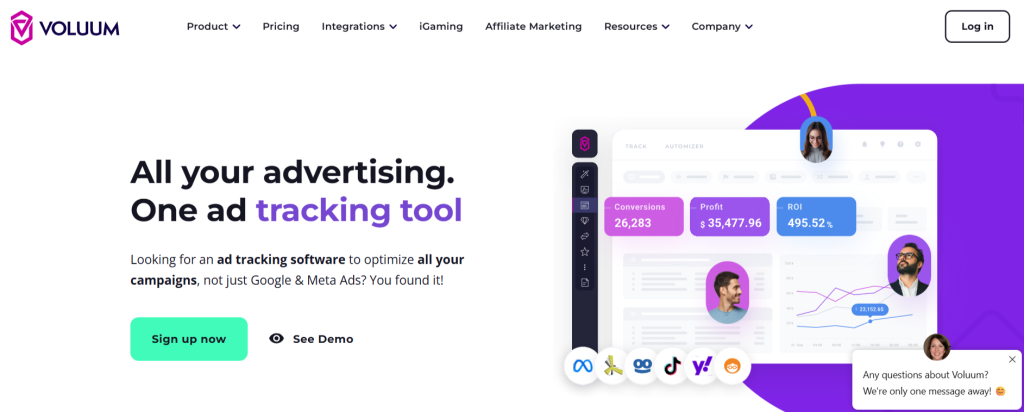
For serious affiliates, agencies, and media buyers, Voluum is one of the industry’s highest-performing analytics and affiliate marketing tracking platforms that offer a variety of advanced features that help campaign optimizations become fully automated and augmented at scale, like receiving and processing data in real-time, analytics, and customized attributions.
Moreover, paid traffic marketers are the ones who require split-second reporting and accurate conversion tracking across several traffic sources, which is why Voluum is so popular.
Pros & Cons
| Pros | Cons |
| Real-time tracking is unbelievably accurate | Most expensive services in the industry, especially for those at the beginning of their marketing careers |
| Every aspect of their platform is extremely advanced, especially with automation | Can be difficult and require a lot of time to learn. |
| Paid traffic marketers and advertisers will thrive the most. | Overshadowing small sites and less traffic |
Best for:
Advanced affiliates, agencies, and paid traffic marketers managing high-volume campaigns.
Tool #2: AffTrack

Frustrated with the complexity of most tracking systems on the market? AffTrack is one of the most niche solutions for tracking and reporting attribution, along with fraud prevention. Moreover, this is especially useful for affiliates with many campaigns, who are concerned about performance from the campaigns.
Pros & Cons
| Pros | Cons |
| Strong reporting and attribution | The interface feels outdated |
| Built-in fraud detection | Limited automation compared to Voluum |
| Flexible pricing tiers | Setup can be technical |
Best for:
NOT enterprise-level complexity, for affiliates that control multiple offers and have sufficient traffic.
Tool #3: Post Affiliate Pro
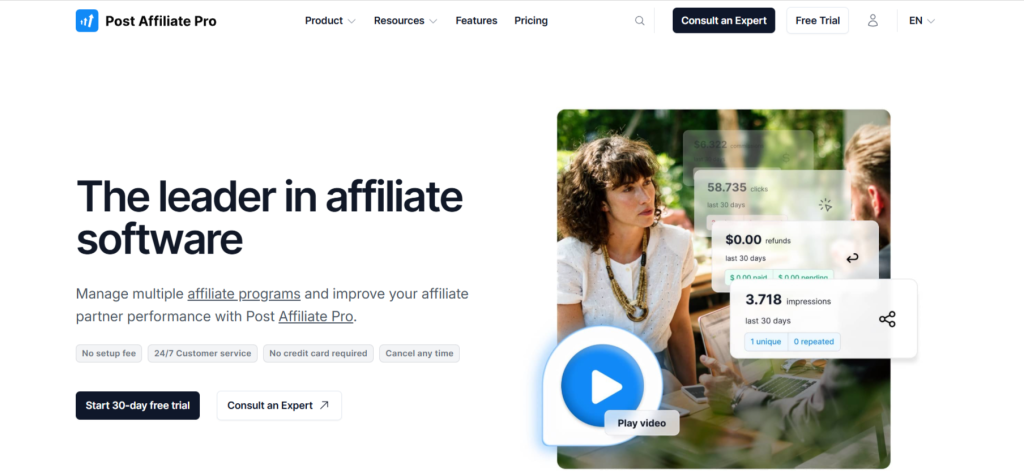
Post Affiliate Pro is a tool that is aimed at helping merchants and SaaS companies run their own affiliate programs, focusing on partner management, commission structures, and integrations. Moreover, they have overall management of the programs and do not buy and manage the media, nor do they optimize the traffic.
Pros & Cons
| Pros | Cons |
| Commission models = super flexible | Inexperienced users will take a while to get used to the interface |
| Integrations with content management systems and shopping carts | Set up and management can be a bit of a hassle |
| The platform is stable and well supported | Media buying is not their strong suit |
Best for:
Businesses and brands running in-house affiliate programs.
SEO & Keyword Research Tools
Tool #4: Ahrefs

Leading the industry, Ahrefs is the most widely used SEO tool among affiliate marketers for the purpose of profitable keyword discovery, backlink analysis, and competitor research. Ahrefs is well known for its massive backlink index and precise SEO metrics, making it a top pick for authority-driven affiliate sites.
Pros & Cons
| Pros | Cons |
| Best-in-class backlink database | Plans are expensive |
| Accurate keyword difficulty metrics | No free tier |
| Excellent competitor insights | Can be overwhelming for beginner marketers |
Best for:
SEO focused affiliate sites and long-term content strategies.
Tool #5: SEMrush
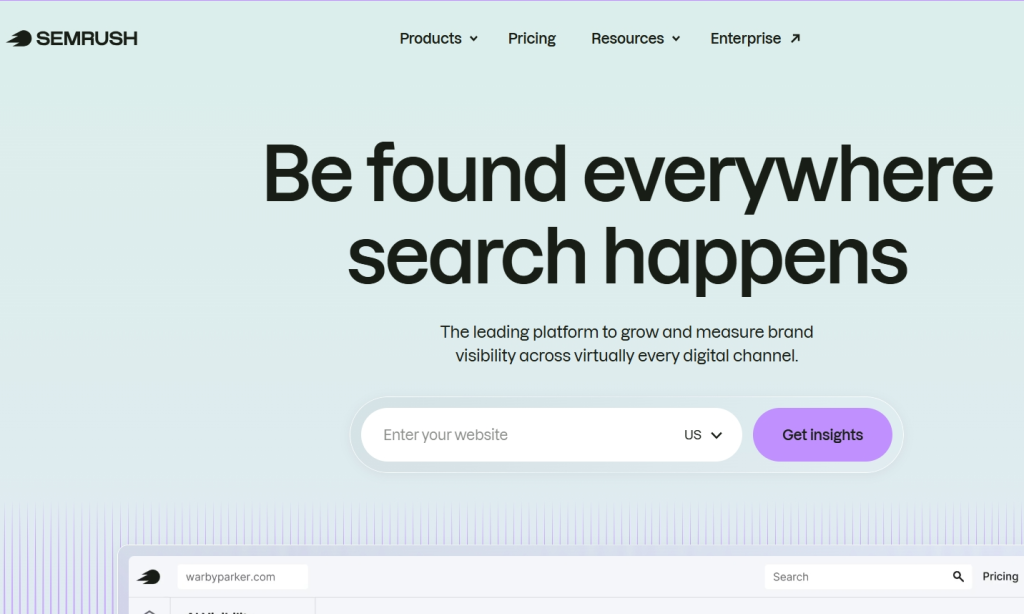
For affiliates who use both organic search and paid advertising, SEMrush is the perfect tool. SEMrush is an all-in-one platform covering digital marketing, including SEO, PPC, competitor analysis, and site audits.
Pros & Cons
| Pros | Cons |
| Keyword tracker and PPC tools | Prices go up fast |
| Technical audits | Data overload |
| Competitive analysis | Fewer backlinks than Ahrefs |
Best for:
Affiliate marketers use PPC and SEO together.
Expert Tip
Don’t rely on affiliate tools alone to drive results—focus on how you use them together. The most successful affiliates combine tracking, keyword research, and conversion optimization tools to build a full performance system. For example, always validate traffic quality using analytics before scaling campaigns, and prioritize tools that integrate smoothly with your tracking setup in Google Analytics or similar platforms.

Tool #6: Mangools

Mangools is designed for beginners looking for a simple, clean interface for SEO tools as opposed to complex data. Moreover, this tool has keyword search, SERP analysis, and a backlink tracker.
Pros & Cons
| Pros | Cons |
| User interface | Advanced tools are limited |
| Affordable | Smaller backlinks |
| Clean data | Not large sites |
Best for:
Beginners and small affiliate blogs.
Tool #7: Ubersuggest
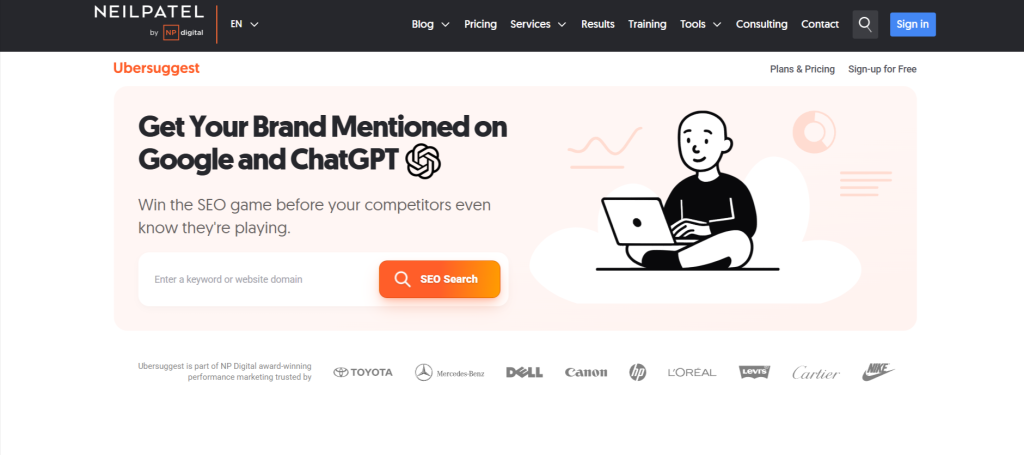
For affiliates who want basic SEO and data for a keyword, traffic, and competition, Ubersuggest is for you. Moreover, it is very affordable and a great alternative to premium platforms.
Pros & Cons
| Pros | Cons |
| Low-cost | The data is not accurate |
| Keyword data is simple | Competitor analysis is limited |
| Lifetime pricing | Not for advanced |
Best for:
New affiliates and beginners on a budget.
Content Creation & Optimization Tools
Tool #8: Surfer SEO

Surfer SEO is one of the on-page SEO tools that examines pages that currently rank at the top of the search results and then offers advice in the areas of building content, finding keywords, and even getting recommendations pertaining to structuring content.
Moreover, Surfer SEO is quite valuable for affiliates that direct their attention to organic traffic and rankings that can be maintained for the long term because there is no need to guess what Google may prefer; Surfer has the real SERP data.
Pros & Cons
| Pros | Cons |
| Content suggestions are data-backed | Requires SEO knowledge |
| Scoring is easy to understand | Subscription pricing |
| Increased ranking consistency | Can drive over-optimization |
Best for:
Content creators that drive traffic with SEO, builders of niche sites, and affiliates that target organic traffic.
Tool #9: Grammarly

Grammarly is a writing assistant tool that enables affiliates to improve the clarity, tone, and grammatical correctness, and overall readability of blog posts, emails, and landing pages. Although not an SEO tool, for affiliate content in particular, clear and professional writing is critical to improving trust, engagement, and conversion rates.
Pros & Cons
| Pros | Cons |
| The quality of writing is improved | Limited SEO value |
| Easy to integrate with browsers and apps | Subscription required for full use |
| Assistance with tone is given | Not aware of the niche |
Best for:
Bloggers and content teams, as well as affiliates that create editorial-style content.
Tool #10: Jasper
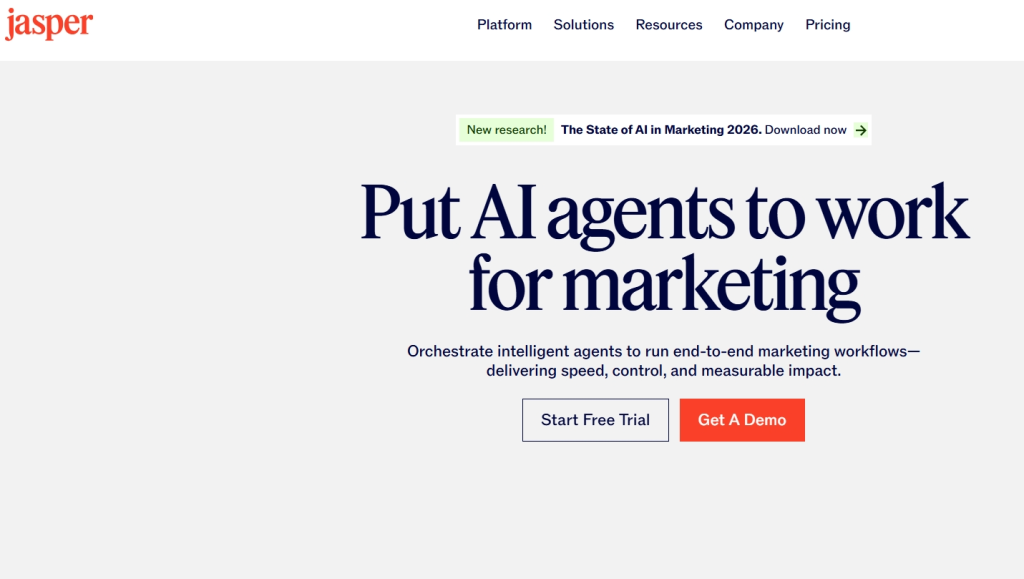
Jasper is an AI-driven platform for creating content designed to assist affiliates in scaling content development at a faster rate. Moreover, the most common use cases include creating drafts for blogs, writing product descriptions, creating email copies, or ad creatives. Though Jasper is very helpful in speeding up the writing process, editing needs to ensure the content is accurate, original, and in alignment with the brand.
Pros & Cons
| Pros | Cons |
| Fast content generation | Requires human editing |
| Multiple templates for different use cases | Subscription cost |
| Brand voice control | Generic output without guidance |
Best for:
High-volume affiliates and teams publishing content at scale.
Traffic Analytics & Performance Tracking Tools
Tool #11: Google Analytics
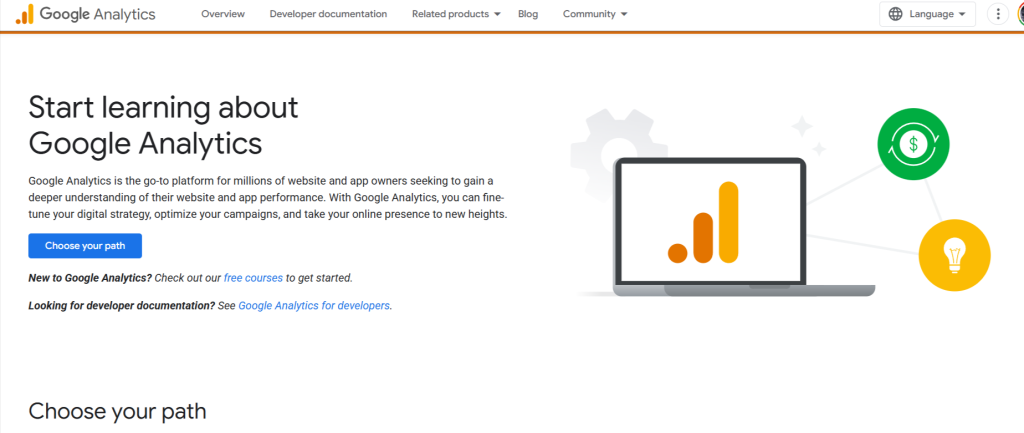
Google Analytics is the analytics platform to track website traffic, user behavior, and conversion performance. It offers valuable insights into the origin of the visitors and how they navigate and interact with the content on the website, as well as the most valuable channels in relation to the affiliate campaigns.
Pros & Cons
| Pros | Cons |
| Free and extremely powerful | Steep learning curve |
| Deep traffic and behavior insights | Privacy compliance complexity |
| Integrates with Google tools | The interface can be confusing |
Best for:
All affiliates—essential for understanding traffic performance.
Tool #12: Hotjar
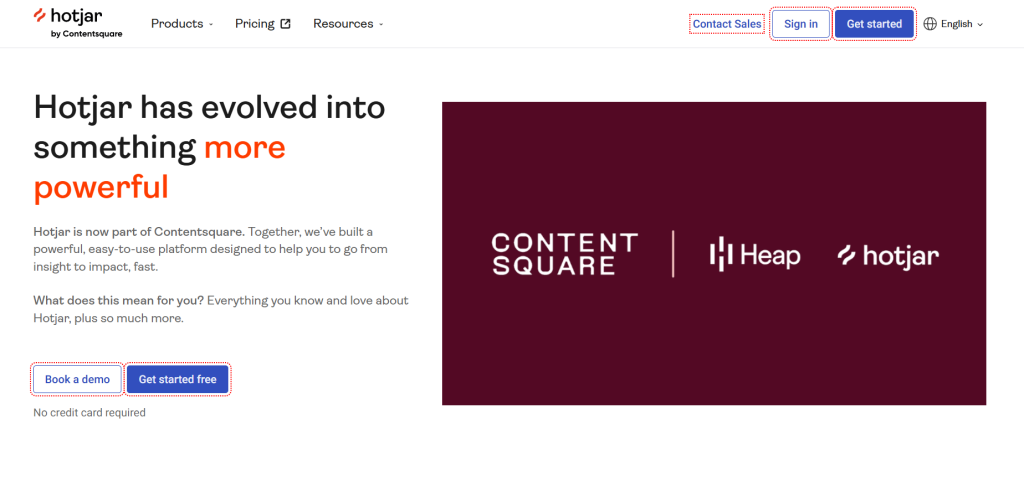
Hotjar is more focused on visual behavioral analytics, supporting affiliates in understanding user interactions on different pages using heatmaps, scroll tracking, and even session recording. Hotjar is extremely useful when it comes to learning how to better your landing pages and figuring out where conversion friction occurs.
Pros & Cons
| Pros | Cons |
| Heatmaps and session recordings. | Less useful if you need it quantitatively. |
| Helps with UX and CRO. | Puts strain on the server. |
| Quick set up. | Growth requires a paid plan. |
Best for:
Conversion-rate optimization (CRO)–focused affiliates.
Tool #13: Clicky
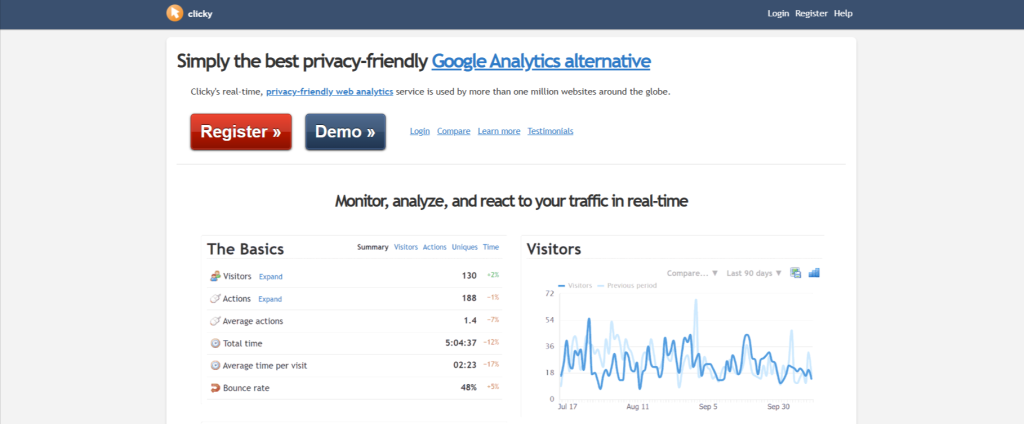
Clicky is a simple and lightweight real-time analytics tool. It’s a more simplified version of Google Analytics. Moreover, live visitor tracking is available, as well as basic engagement metrics without complex reports.
Pros & Cons
| Pros | Cons |
| User-friendly dashboard. | Fewer features. |
| Tracking in real-time. | Fewer integrations. |
| More lightweight and extremely fast. | Smaller ecosystem. |
Best for:
Smaller affiliate sites and beginners who need a simple and clear analytics tool.
Email Marketing & Automation Tools
Tool #14: ConvertKit

ConvertKit is an email marketing service made for solo entrepreneurs, bloggers, and creators. It prioritizes automations, audience segmentations, and simplicity over higher-level features and design complexity. Furthermore, ConvertKit is great at subscriber cultivation, content-based email marketing, and building trust over time and offers promotion through emails.
Pros & Cons
| Pros | Cons |
| Automation with a focus on creators | Email designs lack flexibility |
| Tagging and segmentation ability are easy | List size pricing incentivizes high pricing |
| Clean, easy-to-use interface, with a shallow learning curve | Fewer analytics available than competitive enterprise solutions |
Best for:
Bloggers, affiliates, and content creators are focusing on email relationship building.
Tool #15: GetResponse
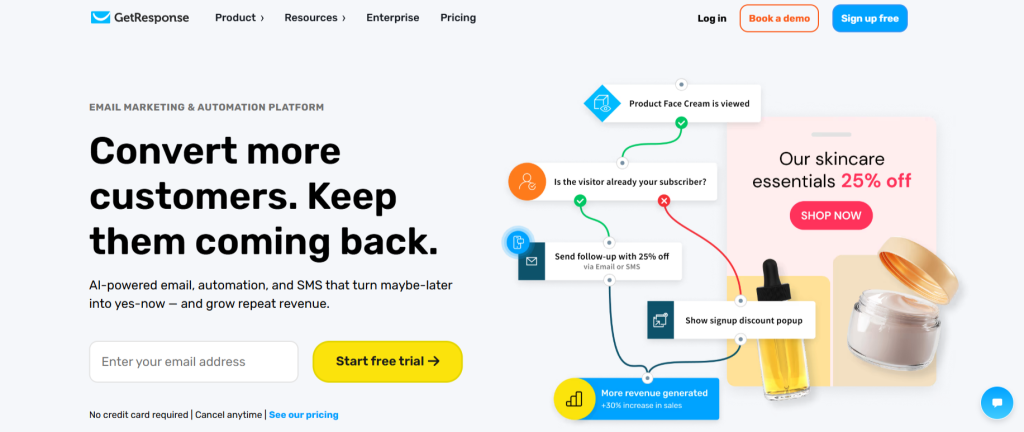
GetResponse is an email marketing service with a wider variety of emails with automation, landing pages, funnels, and webinars. It is good for affiliates with a primary use of automation and conversion tracking with lead magnets, funnels, and promotional campaigns.
Pros & Cons
| Pros | Cons |
| Webinar and funnel tools | Can be a cluttered interface |
| Entry-level is very affordable | Can vary in deliverability |
| Good automation | Not as creator-focused as ConvertKit |
Best for:
Affiliates for funnel-based marketers and lead generation campaigns.
Tool #16: ActiveCampaign

ActiveCampaign offers an intelligent marketing automation service. It incorporates advanced features of email marketing, CRM, and behavior-driven targeting. It’s suitable for teams and agencies, and for users who manage intricate customer journeys and affiliate funnels, and need to track multiple lists.
Pros & Cons
| Pros | Cons |
| Highly advanced automation and conditional workflows | More expensive than other basic tools |
| In-house CRM integration | Time-intensive setup and steep learning curve |
| Robust audience targeting | More than needed for beginners |
Best for:
Agencies, advanced affiliates, and other businesses that have and manage advanced funnels.
Affiliate Link Management & Cloaking Tools
Tool #17: Pretty Links
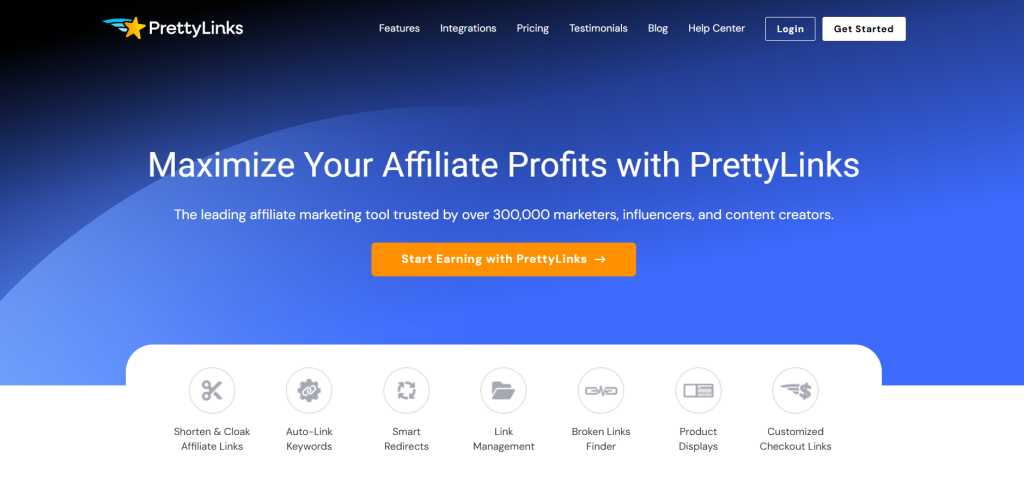
Pretty Links makes it easy for affiliates to manage, cloak, and track affiliate links using a single dashboard. It’s a WordPress plugin that improves click-through rates and link management for sites that have a lot of content.
Pros & Cons
| Pros | Cons |
| Facilitates affiliate link cloaking | Only compatible with WordPress |
| Professional-looking URLs | Paid plans to unlock advanced features |
| Basic click analytics | Reporting is subpar |
Best for:
Affiliate WordPress sites and WordPress bloggers.
Tool #18: ThirstyAffiliates

ThirstyAffiliates is a link management tool for affiliate marketers. Moreover, it automates link placement, organizes links, and monitors compliance to keep offers active and compliant.
Pros & Cons
| Pros | Cons |
| Built specifically for affiliates | WordPress-only |
| Auto-linking keywords in content | The interface feels outdated |
| Link health monitoring and alerts | Paid version needed for full functionality |
Best for:
Content-heavy affiliate blogs with large link libraries.
Grow Online with Confidence
Take the next step toward building your digital presence. From hosting to tools that support your growth, Hostonce has everything you need to succeed—whether you’re starting a blog or scaling a business.
Tool #19: Bitly
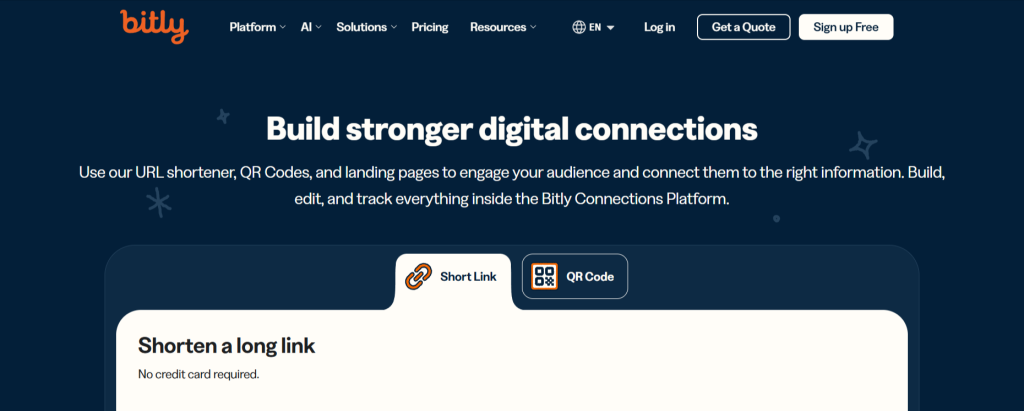
Bitly is a popular URL shortener for sharing links across social media, email, and messaging platforms. While not affiliate-specific, it’s useful for tracking clicks and creating clean links for platforms where long URLs perform poorly.
Pros & Cons
| Pros | Cons |
| Simple and fast link shortening | Limited affiliate-specific features |
| Click tracking and basic analytics | Custom branding is locked behind paid plans |
| Social-media friendly | Not ideal for SEO-focused affiliates |
Best for:
Social media affiliates and marketers promote links across multiple platforms.
Conversion Optimization & Funnel Tools
Tool #20: ClickFunnels

ClickFunnels is an all-in-one funnel-building platform designed to help affiliates create complete sales funnels without coding. Moreover, it allows users to design landing pages, upsells, downsells, and checkout flows in one system. For affiliate marketers promoting high-ticket or funnel-based offers, ClickFunnels simplifies the process of guiding visitors from first click to conversion.
Pros & Cons
| Pros | Cons |
| Fully integrated funnel builder along with hosting | Higher priced than singular functions |
| Proven templates with high conversions | Could have a slower page speed |
| Funnel analytics and A/B testing included | New users have a learning curve |
Best for:
Funnel-affiliated marketers focusing on high-value or multi-echelon offers
Tool #21: OptinMonster
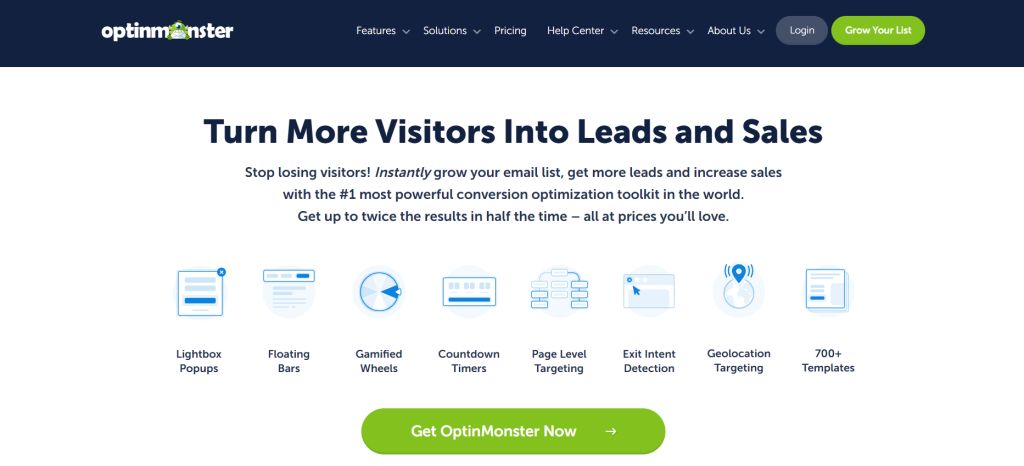
To gain email subscribers and lower bounce rates, OptinMonster is a lead generation and conversion optimization tool. This program is powerful for email marketers because of the behavioral targeting, personalized messaging, and exit-intent pop-ups.
Pros & Cons
| Pros | Cons |
| OptinMonster is known for improving opt-in rates | Can be intrusive |
| Advanced personalization and targeting | Requires testing and optimization |
| Proven to improve opt-in rates | Can feel intrusive if overused |
Best for:
Email marketers and content affiliate marketers.
Tool #22: VWO
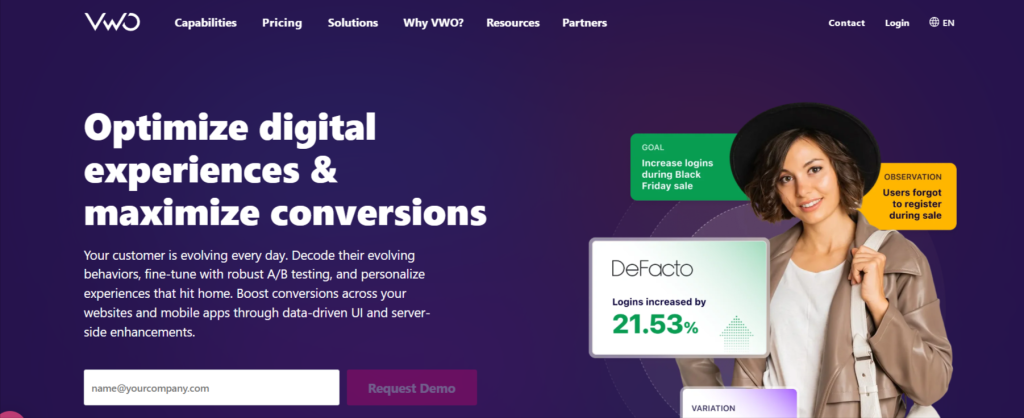
VWO (Visual Website Optimizer) is a multi-facet conversion optimization platform that affords you the ability to do A/B testing, review heatmaps, view session recordings, and conduct funnel analyses. Moreover, this is particularly useful for teams that aim to improve conversion rates and user experience for large-volume affiliate marketing sites and other sites with a large volume of user interaction.
Pros & Cons
| Pros | Cons |
| Advanced A/B testing and multivariate testing | Expensive for small teams |
| Estimates especially for larger enterprises | Technical setup required |
| Advanced insights | Not beginner-friendly |
Best for:
Data-driven teams and agencies, as well as high-volume affiliate businesses.
Tool #23: Leadpages

Leadpages is focused on simplifying the landing page-building process. It is tailored for speed and conversions. It provides affiliates with various custom templates and integrations for building professional landing pages in minutes. Moreover, it is an excellent tool for single-page promotions and capturing leads, although it lacks complete funnel management.
Pros & Cons
| Pros | Cons |
| Highly responsive landing pages | Design skills are limited. |
| Templates are proven to convert | No complete funnel system. |
| Integration is seamless with email marketing software. | Builders for this are more expensive. |
Best for:
Time-sensitive promotions, campaigns for lead magnets, and affiliates with a single offer.
How to Choose the Right Affiliate Marketing Tools
Selecting the tools that you will use in affiliate marketing should not be based on which is the most popular, but rather on what is most sensible. You must create an efficient, goal-oriented stack of tools that meets your current skill level, the sources of your traffic, and your monetization tactics. Moreover, the best performing affiliates focus primarily on the outcomes rather than the tools. Most of them have tools that they will rarely use.
For Beginners
If you are at the start of your affiliate marketing journey, focus on learning the basics first. Avoid complicating things by using a tool with too many features. You should be able to use a tool that is simple to set up and that will aid you in understanding the basic principles of traffic, content, and conversions.
- User-friendly SEO and keyword research tools will be able to highlight areas with low competition.
- Look at the most basic level of performance metrics to see what kind of traffic and how many click-throughs there are.
- Early on, don’t use complicated automation tools to manage your sites, and avoid paid tracking tools.
Furthermore, you want to be able to learn what actually converts before you scale your projects.
For Bloggers & Content Creators
Bloggers and content creators must emphasize tools that help in enhancing content, growing genuine traffic, and content audience trust.
- When content is created, SEO and on-page optimization tools must be utilized in order for the content to rank well and get high-intent visitors.
- Writing optimization tools must be utilized so that content will have better engagement, and readers will easily understand what is being read.
- Email marketing tools should be utilized so that long-term monetization will be achieved through newsletters and automated email sequences.
The target is to build credibility, maintain a consistent schedule, and earn passive income through affiliate marketing.
For Paid Traffic Affiliates
Paid traffic marketers need tools that emphasize accuracy, efficiency, and attribution. Every click on an ad costs money, so being on point with tracking is key.
- Advanced tracking tools can measure ROI from each traffic source, campaign, and offer.
- Funnel and conversion optimization tools should be utilized to increase profitability.
- Real-time analytics should be utilized to eliminate unnecessary ad spend.
Moreover, the target is to grow successful campaigns while being mindful of costs.
For Agencies and Teams
For agencies that manage multiple clients, campaigns, and accounts, tools that promote collaboration, automation, and scalability are priorities.
- Systems that offer group access, automated marketing rules, and comprehensive reporting.
- For managing leads and partnerships, CRM optimization with advanced segmentation is ideal.
- The focus should be on high-level analytics and performance testing.
The target should be to maintain the same performance on multiple projects while avoiding manual slowdowns.
Budget vs Advanced Feature Trade-Offs
Not every affiliate marketer needs high-end tools. Expensive tools should only be utilized if they can significantly increase revenue or efficiency.
- Basic budgetary tools are good for education and experimentation, and also for smaller websites.
- Advanced tools only make sense when your traffic or revenue scales, or when your team size grows.
- Always assess whether a tool saves sufficient time (or increases conversions) to make the expense reasonable.
Additionally, the tools that you are using should be upgraded only when the levels of growth require the changes to be made, and not a moment sooner.
Common Mistakes to Avoid When Using Affiliate Marketing Tools
Mistakes can cost you time and money, so ensure that you don’t make these mistakes.
Using Too Many Tools at Once
There is a lack of clarity with excess tools.
- There are overlapping tools that lead to wasted money.
- The data gets more complex without the need.
- Delay in dcision-making.
Solution: Use one strong tool and master that tool.
Ignoring Data and Analytics
Affiliate tools are worthless without the data.
- Analytics tools are not reviewed by the majority of affiliates.
- Making mistakes repeatedly without knowing
Solution: Track the data in the reports and adjust your strategy accordingly.
Focusing on Traffic Instead of Conversion Quality
Without high-quality traffic, you won’t make revenue.
- Low-intent traffic is the cause of high bounce rates.
- It is more expensive.
Solution: Use traffic that aligns with the buyer-intent keywords, optimized sales funnels, and is from a specific audience.
Not Tracking ROI Properly
The lack of ROI tracking creates risk when scaling.
- There is no way of knowing which campaigns are generating profit for you.
- Ad expense may exceed profit without a guardrail.
Solution: Controlling the costs and tracking the earnings will help streamline growth.
Final Thoughts – Build a Smarter Affiliate Marketing System
Creating a more effective affiliate marketing system begins with picking the appropriate tools that align with your objectives and experience level. The appropriate tools assist you in tracking performance, understanding what is successful, and campaign optimization without having to rely on guessing. Instead of going after every new tool on the market, prioritize tools that increase productivity, clarity in data, and good decision-making.
Quality traffic is what leads to success, and it is what you should focus on and scale your traffic efforts only after you have good traffic. Start with a small, reliable tool stack, refine what you have, and then expand your tools as you scale your affiliate income. Furthermore, you can make a sustainable system, and that will give good results over a long period of time, as opposed to a system that will give you only short-term results.
FAQ
Are free affiliate marketing tools enough?
Initially, free tools do the job, but as you start scaling, you benefit more from paid tools.
Which tools are best for beginners?
SEO tools that are user-friendly, basic analytic tools and simple link management tools are best for beginners.
Is it possible for affiliate tools to enhance the quality of traffic?
Certainly! Using SEO tools, analytics, and even optimization tools can assist in finding visitors who have a strong intent and are far more likely to make a purchase.
How often should I update/upgrade my affiliate tool KIT for it to remain relevant?
You are encouraged to update tools in response to a notable increase in traffic, growth in revenue, heightened workflow intricacy, and the tools at your disposal no longer promoting expansion.

The 10 Most Important Types of Online Marketing
By Festus Nkopuruk on May 9, 2026
Hostonce is the #1 WordPress Host
Ranked by 930+ customers in G2's Best Software Awards.